Wonka Font 0 to 9: A Craft Fair Seller’s Review
As an experienced embroidery designer preparing for a busy weekend craft fair, I evaluate every digitized asset based on one critical metric: will this sell when a customer picks it up? When reviewing the Wonka Font 0 to 9 set for my upcoming market booth, my focus shifts from technical specs to tangible retail appeal. This is not just about whether the machine embroidery design stitches out cleanly; it is about whether those numbers can turn a plain canvas tote bag or a kitchen tea towel into a must-have handmade product. For fellow Etsy sellers, boutique makers, and creative entrepreneurs, understanding the commercial viability of this specific numeric font is essential for maximizing booth sales and streamlining batch production.
First Impressions: Whimsy Meets Retail Readability
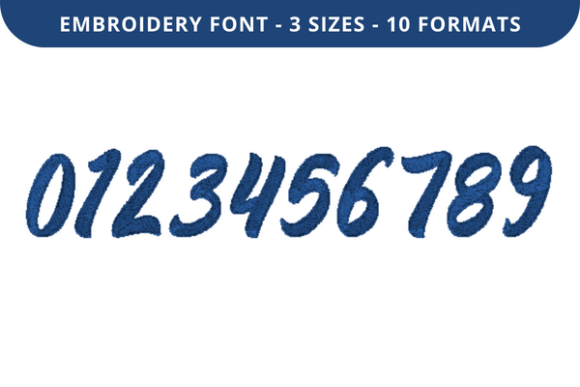
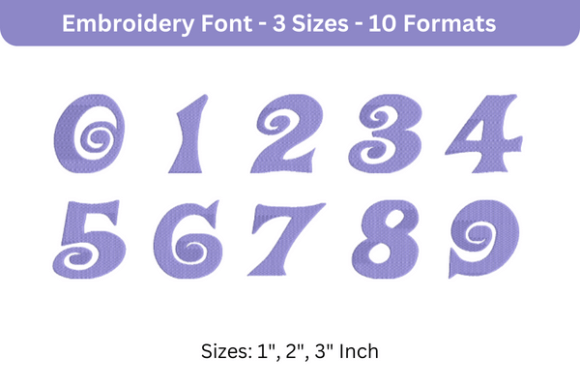
My immediate reaction to Wonka Font 0 to 9 is that it strikes a delicate balance between playful nostalgia and modern legibility. In the context of a crowded craft fair table, customers have mere seconds to process visual information. This font does not scream "costume" or "novelty"; instead, it offers a soft, decorative aesthetic that feels premium yet approachable. It leans towards a storybook elegance that works exceptionally well for the Back To School category without alienating adult buyers looking for personalized home goods.
The numbers possess enough weight to be visible from three feet away—a crucial distance for booth engagement—while retaining intricate details that reward closer inspection. For a small shop product, this versatility is gold. It avoids the overly juvenile look that often plagues whimsical fonts, making it suitable for high-end children’s items as well as sophisticated kitchen textiles. As a digital embroidery file, it promises to add perceived value to finished goods because the typography looks custom-drawn rather than computer-generated.
Best-Selling Applications for Market Booths
When planning my inventory, I categorize products by how they utilize specific design assets. Wonka Font 0 to 9 excels in applications where personalization drives the sale. Here is how I envision deploying this font across different product lines:
- Tote Bag Design: Large-format graduation years or class numbers stitch out beautifully on canvas. The font’s structure holds up against the coarse weave of natural cotton, creating a focal point that anchors the entire bag.
- Tea Towel Embroidery: Dates, recipe measurements, or family establishment years benefit from the font’s readability. On linen or flour sack towels, the stitching adds texture that complements the fabric texture rather than fighting it.
- Apron Embroidery: For culinary gifts, using these numbers to denote "Est. 2024" or age-specific birthday aprons creates an instant emotional connection with the buyer.
- Embroidered Patch: Because the numerals are distinct, they work wonderfully for grade-level patches or scout badges. The clean edges make trimming easier during post-production.
- Fabric Pouches and Pillow Covers: Smaller sizing allows for subtle monogram-style dating on zipper pulls or pillow corners, adding a bespoke touch that justifies a higher price point.
For online sellers, this font translates exceptionally well to a printable mockup. The clear shapes photograph sharply, ensuring that your Etsy listing images accurately represent the physical finished product.
Production Practicalities and Batch Efficiency
A beautiful font is useless if it causes production bottlenecks. From a commercial embroidery perspective, Wonka Font 0 to 9 appears optimized for repeatability. The consistency in stroke width suggests that stitch density has been balanced to prevent fabric distortion, which is vital when hooping multiple items for batch runs. I appreciate that the design likely includes adequate spacing between characters, reducing the need for manual kerning adjustments during digitizing.
However, practical selling points also include ease of understanding at a glance. Customers should never have to ask, "What number is that?" With this set, the answer is always immediate. This clarity reduces friction at the point of sale. Furthermore, because the style is timeless rather than trend-dependent, unsold inventory from this weekend’s fair will remain relevant next season, protecting your ROI on thread colors and materials.
Critical Use Notes for Professional Results
Even high-quality files require operator expertise. Before loading Wonka Font 0 to 9 for a full production run, consider these technical constraints to maintain professional standards:
- Minimum Size Thresholds: While versatile, decorative fonts often lose clarity below certain dimensions. Test the smallest intended size on scrap fabric first. If the inner loops of numbers like '8' or '6' fill in, increase the size or choose a simpler block font for tiny accents.
- Textured Fabric Challenges: On terry cloth or plush fabrics, the detail may get lost. Always use a water-soluble topping to keep stitches above the pile. Without this, even the best embroidery file will look amateurish.
- Curved Surfaces: When embroidering caps or curved pouches, ensure the hoop size matches the curve radius. Distortion on curved surfaces can make round numbers appear oval; adjust your pull compensation settings accordingly.
- Stabilizer Selection: Match your stabilizer to the fabric weight. Using cutaway on lightweight linen can cause puckering around dense numeral strokes, while tear-away on stretchy knits may lead to registration issues.
- Thread Contrast: Low-contrast thread on dark fabric can obscure the font’s unique characteristics. For maximum booth visibility, opt for high-contrast thread colors or metallic threads to highlight the decorative elements.
Designer Checklist Before Selling Finished Products
To ensure Wonka Font 0 to 9 becomes a profitable addition to your business, follow this pre-production checklist. Never assume a digital file is ready for retail without verification:
- Verify Licensing: Confirm that your purchase includes rights for selling physical craft fair product items. Digital resale is typically prohibited, but finished embroidered goods usually require specific commercial licensing.
- Create Real Mockups: Do not rely solely on software simulations. Stitch out at least one sample on your actual selling substrate to check for tension issues or color accuracy.
- Check Hoop Compatibility: Ensure the largest number combination you plan to offer fits within your machine’s maximum embroidery area. Nothing halts production faster than realizing a design exceeds your hoop size.
- Test Wash Durability: If selling washable items like tea towels or aprons, launder your test sample. Verify that the stitch density holds up and that the fabric doesn’t pucker after drying.
- Review Spacing and Kerning: Automated spacing isn't always perfect. Manually adjust gaps between numbers to ensure visual harmony, especially for dates like "2024" where uniform spacing matters.
Elevating Brand Value Through Typography
Ultimately, incorporating Wonka Font 0 to 9 into your product line is about elevating your brand’s perceived quality. In the handmade market, typography signals professionalism. A well-chosen font tells customers that you care about design cohesion, not just functionality. Whether you are targeting the Back To School rush or curating year-round home decor, this numeric set offers the flexibility needed for diverse inventory.
By treating this machine embroidery design as a strategic business asset rather than just another file in your library, you transform simple digits into powerful selling tools. Remember to always check the specific file formats, stitch counts, and license terms provided by the original designer before beginning production. With careful testing and thoughtful application, Wonka Font 0 to 9 can become a signature element of your booth display, driving both customer attention and repeat sales for your embroidery business.