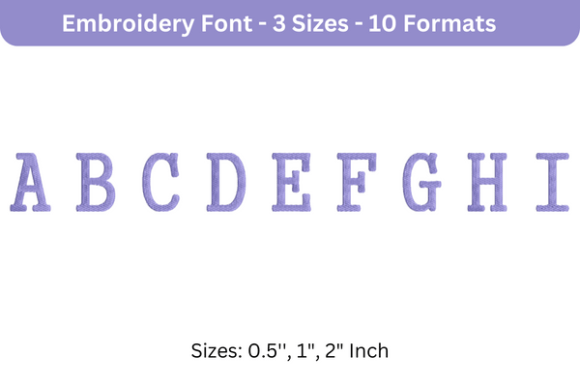
Executive Font Uppercase A-I: Business Merch Review
As a professional embroidery designer specializing in commercial branding and small business merchandise, I approach every new typeface with a critical eye. When evaluating the Executive Font Uppercase A to I, my primary concern is not just aesthetic appeal, but functional performance on real-world products. For shop owners, Etsy sellers, and apparel decorators, a font must do more than look good on a screen; it must stitch out cleanly on textured fabrics, maintain legibility at small sizes, and reinforce brand identity across various mediums. This review analyzes this specific machine embroidery design from the perspective of producing high-quality branded assets for cafes, boutiques, creative studios, and local service providers.
First Impressions: Professionalism Meets Versatility
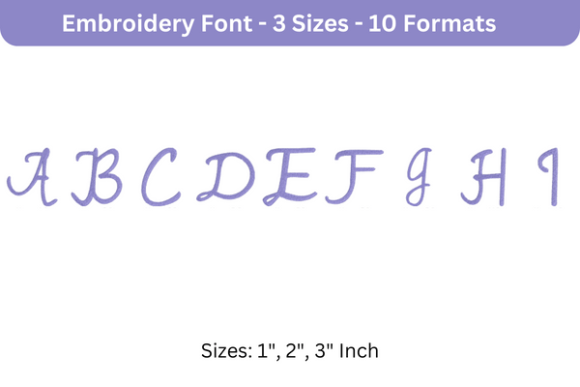
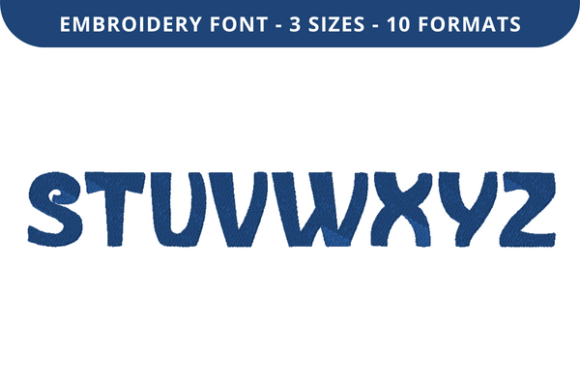
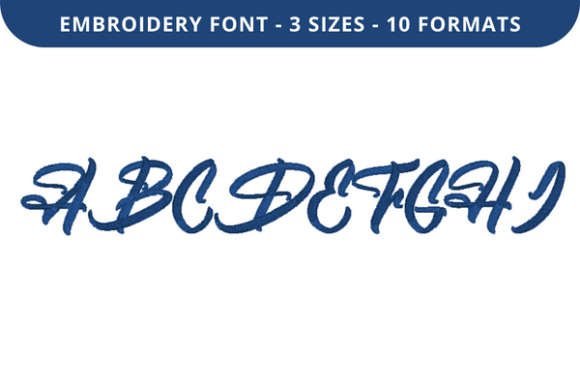
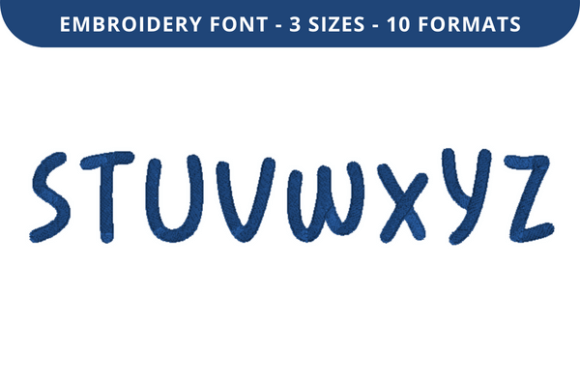
The name "Executive" immediately suggests a level of formality and structure that is essential for business applications. Upon reviewing the digitizing parameters of Executive Font Uppercase A to I, the design presents itself as a clean, authoritative typeface suitable for corporate environments and upscale handmade brands alike. Unlike decorative scripts that can become illegible when scaled down, this uppercase set appears optimized for clarity. The letterforms strike a balance between modern precision and classic reliability, making them an excellent candidate for businesses that need to convey trust and competence.
For those categorizing this under Back To School or general Embroidery collections, the versatility is evident. While it certainly works for academic monograms, its true value lies in commercial customization. The stroke width seems consistent, which is a vital indicator of how well the embroidery file will handle varying thread colors and fabric textures. A font that is too thin risks breaking needles or disappearing into towel loops, while one that is too thick can cause puckering on lightweight shirts. Executive Font Uppercase A to I appears to navigate this middle ground effectively, offering a robust foundation for custom apparel and product labeling.
Real-World Applications for Small Business Merch
In my experience outfitting local businesses, the first nine letters of the alphabet cover a surprising amount of branding needs. Here is how I envision deploying this digital embroidery file in actual production scenarios:
- Café and Bakery Aprons: Apron embroidery requires durability. Staff uniforms face frequent washing and high heat. The solid construction of this font ensures that names or business initials remain crisp even after industrial laundering cycles.
- Boutique Tote Bag Design: Canvas tote bags are popular merch items. Using Executive Font Uppercase A to I for a store name or slogan creates a premium feel that elevates the perceived value of the handmade product compared to standard block lettering.
- Cap Embroidery for Events: Caps present unique challenges due to curvature. This uppercase set’s straightforward geometry makes it easier to center and align on curved surfaces without distortion, perfect for event staff or promotional giveaways.
- Embroidered Patches: For businesses selling patches as add-ons or using them for uniform identification, legibility is paramount. This font allows for clear text on smaller patch sizes where intricate serifs would fail.
- Product Packaging Accents: Adding a stitched tag to linen napkins, pillowcases, or pet accessories adds a tangible layer of quality. The professional tone of this typeface reinforces the brand identity of luxury or artisanal goods.
Technical Considerations and Usage Cautions
While Executive Font Uppercase A to I is a strong contender for commercial embroidery projects, no design is without limitations. As designers, we must be honest about where a font performs best and where caution is required. When working with this embroidery file, pay close attention to stitch density and substrate compatibility.
On highly textured fabrics like terry cloth or fleece, ensure you are using adequate stabilizer and potentially a water-soluble topping. Even a well-digitized executive font can sink into deep pile fabrics if the underlay isn't sufficient. Conversely, on delicate performance wear or silk, verify that the stitch density won't cause perforation or tearing. Always test on a scrap of the actual finished product material before running a full production batch.
Size is another critical factor. While uppercase letters generally scale better than lowercase, there is a minimum threshold. If you are attempting to embroider tiny labels inside a collar or on a sleeve cuff, measure the physical height of the letters in your software. If the satin columns become narrower than 0.8mm, you risk thread breaks and poor registration. In such cases, consider scaling up or choosing a different asset from your design library. Additionally, when creating printable mockups for client approval, remember that digital rendering often looks smoother than actual thread. Be transparent with clients about how texture affects the final outcome.
Impact on Brand Identity and Customer Trust
Typography in embroidery is a direct extension of brand identity. When a customer receives a custom item or sees staff wearing branded gear, the quality of the stitching communicates the quality of the business. Sloppy, illegible, or inappropriate fonts can subconsciously signal carelessness. Executive Font Uppercase A to I supports a narrative of professionalism and attention to detail.
For Etsy sellers and handmade brands, consistency builds recognition. Using this same font family across your shop banner, packaging tags, and personalization options creates a cohesive visual language. It tells the buyer that your business is established and intentional. Furthermore, in the context of small business merch, readability equals accessibility. Customers should never have to squint to read your logo or a personalized name. By prioritizing clear, bold uppercase forms, you enhance buyer engagement and ensure your message is received instantly.
Designer Notes for Production Success
Before adding Executive Font Uppercase A to I to your next commercial embroidery run, follow these practical steps to ensure professional results:
- Verify Licensing: Always confirm the commercial licensing terms included with the digital embroidery file. Ensure you have the right to use it for paid merchandise and branded client work.
- Run a Black and White Test: Stitch out the design in black thread on white fabric first. This high-contrast test reveals any tension issues, gaps, or registration errors that colored threads might hide.
- Check Spacing and Kerning: Automated spacing in embroidery files sometimes needs manual adjustment. Review the kerning specifically for letter combinations common in your client's name or business title to prevent awkward gaps.
- Select Proper Stabilizer: Match your stabilizer to the fabric weight. Cutaway for knits and stretchy materials; tear-away for stable wovens. Never skip stabilizer on business merchandise.
- Confirm Hoop Size Compatibility: Ensure the design fits comfortably within your hoop with room for proper tensioning. Overstretching fabric to fit a hoop leads to distortion once unhooped.
- Create Accurate Mockups: Use realistic textures in your printable mockup presentations. Showing a client how the font looks on actual canvas or denim manages expectations better than a flat vector image.
- Inspect Thread Color Contrast: Low contrast (e.g., navy thread on black fabric) reduces legibility significantly with this style. Advise clients toward higher contrast pairings for maximum impact.
Ultimately, Executive Font Uppercase A to I serves as a reliable workhorse for the embroidery entrepreneur. Whether you are fulfilling back-to-school orders or outfitting a new coffee shop, this design asset offers the structural integrity and aesthetic polish required for professional results. By respecting the technical requirements of machine embroidery and applying thoughtful design principles, you can transform this simple uppercase set into a powerful tool for business growth and customer satisfaction. Always prioritize testing and quality control to ensure that every stitched piece reflects the excellence of your brand.